
You set a goal. You felt fired up. You started strong. Then three weeks later, you’re back on the couch scrolling your phone, wondering why this time felt different but ended the same. The question haunts you: “Why can’t I stick with it?” If that sounds painfully familiar, you’re not broken. You just haven’t been given the right answers yet.
Self discipline got questions? We’ve got 25 straight answers. No fluff. No shame. Just real, actionable reasons why your willpower seems to vanish and what you can actually do about it. Let’s dig into the root of the problem and build a plan that works.
Table of Contents
Why Your Self Discipline Keeps Failing (The First 5 Answers)
1. You’re relying on motivation instead of a system
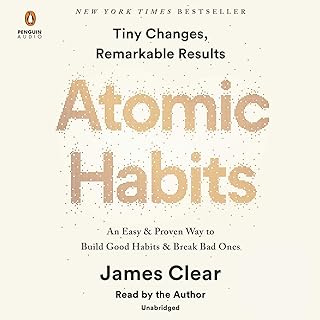
Motivation is a spark. Self-discipline is the engine. If you only start when you feel ready, you’ll always stall when the spark fades. The most disciplined people don’t wait to feel like it. They build routines that make the right actions automatic. As James Clear writes in Atomic Habits, habits are the compound interest of self-improvement.
2. You’re trying to change too many things at once
Your brain hates multitasking, especially when it comes to new behaviors. Picking five habits at once is like trying to juggle chainsaws. You will drop all of them. Pick one. Just one. Make it tiny. Then stack another only when the first feels automatic.
3. You don’t know your “why” deeply enough
If your goal is “get fit” because you think you should, your discipline will evaporate the minute your alarm goes off at 5 a.m. You need a why that hurts. Write down exactly what will happen if you don’t change. Now write what life looks like after you succeed. Keep that note on your phone and read it when you want to quit.
4. You’re avoiding discomfort instead of embracing it
Self-discipline is simply choosing the pain of discipline over the pain of regret. Every time you skip the workout, you reinforce the habit of quitting. Every time you push through, you build mental calluses. The Power of Self-Discipline: 5-Minute Exercises book teaches tiny daily drills that make discomfort your friend.
5. You haven’t removed temptations from your environment
Willpower is a limited resource. The best strategy isn’t to resist temptation—it’s to make temptation invisible. If you want to stop eating junk, don’t keep it in the house. If you want to stop scrolling, put your phone in another room. Your environment shapes your behavior more than your intentions.
The Mindset Blocks That Kill Self Discipline (Answers 6–10)
6. You believe discipline means being harsh with yourself
Many people think self-discipline equals self-flagellation. But beating yourself up after a slip only drains your energy. Self-discipline thrives on self-compassion. Forgive the miss, analyze what went wrong, and try again. The book Note to Self: The Discipline of Preaching to Yourself shows how the words you speak to yourself shape your actions.
7. You’re waiting for the “right time”
Newsflash: the right time never comes. There will always be stress, tiredness, and distractions. The disciplined person acts anyway. They understand that action creates clarity, not the other way around. Start before you feel ready. You’ll adjust on the fly.
8. You’ve made your goals too abstract
“I want to be more disciplined” is a wish, not a plan. You need a clear, measurable action. Instead of “I’ll read more,” say “I’ll read two pages every morning after brushing my teeth.” Specificity removes the mental friction of deciding what to do next.
9. You underestimate the power of small wins
Every day you show up, even for five minutes, you send a signal to your brain: I am the kind of person who follows through. Those small wins compound. Over 30 days, they build an identity. The program Self Discipline: 30 Days to Self Discipline is built entirely on this principle of stacking tiny victories.
10. You compare your discipline to others’ highlight reels
Social media shows you the finish line, not the daily grind. You see someone’s six-pack or promotion and feel like a failure. But you don’t see the years of boring consistency behind it. Stop comparing. Focus on being 1% better than you were yesterday.
How to Build Habits That Stick (Answers 11–15)
11. You’re not tracking your progress
What gets measured gets managed. Keep a simple streak calendar, a journal, or use an app. When you see a chain of checkmarks, your brain will fight to keep it unbroken. Don’t underestimate the motivation of “don’t break the chain.”
12. You’re ignoring the power of your identity
Discipline flows from who you believe you are. Instead of saying “I’m trying to quit smoking,” say “I’m not a smoker.” Instead of “I want to run,” say “I’m a runner.” Declare your identity out loud. Then act like that person would. The Four Agreements teaches four powerful agreements with yourself—words that rewire your self-image.
13. You’re not planning for obstacles
What will you do when you feel tired? When a party is happening? When it’s raining? Pre-decide your response. If you don’t plan for the obstacle, you’ll default to the easiest choice. Create an “if-then” plan: “If I don’t feel like working out, I will put on my shoes and do one pushup.”
14. You’re forgetting that progress is nonlinear
You will have bad days. That’s not failure; that’s data. If you fall off, the most important thing is to get back on immediately. One missed workout doesn’t ruin your fitness. Two missed workouts in a row start to hurt. The rule: never miss twice.
15. You’re not rewarding yourself enough
Discipline doesn’t mean you can never have fun. In fact, small planned rewards reinforce the behavior. After a week of sticking to your habit, treat yourself to a movie or a nice meal. Just don’t break the habit with the reward.
Your Environment: The Hidden Saboteur (Answers 16–20)
16. You’re surrounded by people who don’t support your goals
If your friends eat junk, drink every weekend, and talk about how hard life is, their habits will pull you down. You don’t have to ditch them, but you do need to find a tribe that pushes you upward. Join a community or find an accountability partner.
17. You’re addicted to digital distraction
Scrolling, notifications, endless content—these hijack your dopamine and deplete your willpower without you even realizing it. Set specific times to check your phone. Use apps to block distractions. The book Digital Self-Discipline gives a complete system to break free from screens and reclaim your focus.

18. You’re trying to be disciplined in every area at once
Self-discipline is not a zero-sum game. If you exhaust all your willpower on work, you’ll have none left for diet or exercise. Prioritize the one or two areas that matter most right now. Let the rest coast.
19. You’re not getting enough sleep or nutrition
Your brain runs on biology. Sleep deprivation lowers willpower by making your prefrontal cortex sluggish. Eat protein, hydrate, and sleep 7-9 hours. Self-discipline starts with taking care of your physical foundation.
20. You’re neglecting the power of your morning routine
How you start your morning sets the tone for the entire day. If you hit snooze and grab your phone, you’ve already ceded control. Create a simple 10-minute morning routine: drink water, stretch, write down your top priority. It signals to your brain: today I’m in charge. Admiral William H. McRaven’s Make Your Bed book explains how one small morning task can change your entire day.
The Long Game: Persistence, Setbacks, and Mastery (Answers 21–25)
21. You give up as soon as you slip
Perfectionism is the enemy of discipline. You miss one day and think “I’ve ruined it.” That’s all-or-nothing thinking. The master of self-discipline knows that slips are part of the journey. What matters is how quickly you return to the path.
22. You don’t review and adjust your system
Discipline is not rigid. It’s adaptive. Set aside time each week to review: What worked? What didn’t? Tweak your approach. Maybe mornings don’t work for your workout; try lunchtime. Keep what works, drop what doesn’t. The Psychology of Self-Discipline offers 24 evidence-based strategies to build a flexible yet resilient system.
23. You’ve never trained your discipline like a muscle
Discipline grows with use—but you have to start with low weight. You wouldn’t walk into a gym and try to bench 300 pounds. Start with five minutes of focused work. Then ten. Then twenty. Over weeks, your capacity expands. The Power of Discipline provides practical mental toughness drills to strengthen that muscle.
24. You don’t have a compelling vision of your future self
If the picture of a disciplined you is hazy, your brain has no reason to endure discomfort. Spend 15 minutes writing a detailed description of your future self five years from now. What do they do every morning? How do they feel? That vivid vision acts as a magnet pulling you through hard moments.
25. You think self-discipline is about deprivation
The biggest myth of all: that discipline means saying no to everything. In truth, discipline is saying yes to what matters most. It’s the freedom to choose your future instead of being dragged by your impulses. As Ryan Holiday writes in Discipline Is Destiny, self-control is the superpower that unlocks everything else.
Your Toolkit: Best Books to Build Unshakable Self Discipline
To help you put these answers into action, here are some of the highest-rated resources on self-discipline. Each one zeroes in on a different angle of the “can’t stick with it” problem.
| Product | Price | Rating | Buy at Amazon |
|---|---|---|---|
 |
$0.00 (audible) | 4.8 | Buy Now |
 |
$5.88 | 4.7 | Buy Now |
 |
$8.66 | 4.7 | Buy Now |
 |
$16.83 | 4.6 | Buy Now |
 |
$0.00 (audible) | 4.7 | Buy Now |
 |
$19.99 | 4.7 | Buy Now |
 |
$0.00 (audible) | 4.5 | Buy Now |
 |
$0.00 (audible) | 4.7 | Buy Now |
Pick one that resonates with your biggest struggle. Read it. Apply one idea at a time. That’s all it takes to start changing your relationship with self-discipline.
FAQ: Your Most Pressing Self Discipline Questions Answered
1. Why do I keep breaking my promises to myself?
Usually because the goal was too big or the system wasn’t designed for reality. Shrink the action until it feels almost too easy.
2. How long does it take to build self-discipline?
You can see real change in 30 days of consistent practice. Full habit automation often takes 66 days. But the first win can appear in your first week.
3. Can I improve self-discipline if I have ADHD?
Absolutely. People with ADHD can build strong discipline by using external structures, timers, body doubling, and very short work bursts. Focus on environment design more than willpower.
4. What is the #1 cause of low self-discipline?
Lack of a clear, emotionally charged “why.” Without deep purpose, your brain will choose comfort every time.
5. Is self-discipline the same as willpower?
No. Willpower is a temporary resource. Self-discipline is a learned skill of creating systems and habits that reduce the need for willpower.
6. Should I wake up at 5 a.m. to be more disciplined?
Only if it fits your chronotype and goals. Don’t force a morning routine that makes you miserable. Consistent sleep and a simple morning ritual matter more than the hour.
7. How do I stop procrastinating?
Start with the two-minute rule: do the first two minutes of the task. That’s enough to overcome the initial resistance. Then momentum often carries you forward.
8. What if I fail after a good streak?
It’s a setback, not a failure. Forgive yourself immediately, analyze what triggered the slip, and restart the next day. Never let one slip become two.
9. Can discipline be fun?
It can be satisfying. The key is to attach a reward to the process, not just the outcome. Enjoy the feeling of showing up. That becomes its own reward.
10. What’s the one book you recommend for mastering self-discipline?
Start with Atomic Habits for the system. Then Discipline Is Destiny for the mindset. They complement each other perfectly.
The Bottom Line
Self discipline got questions? You now have 25 honest, actionable answers. The “why can’t I stick with it” problem isn’t a character flaw. It’s a gap between where you are and the system you need. Close that gap by picking one answer from this article and applying it today.
You don’t need a perfect plan. You just need to start, fail a little, adjust, and keep going. That’s what discipline really is: the courage to try again, smarter this time. Now go make it happen.